
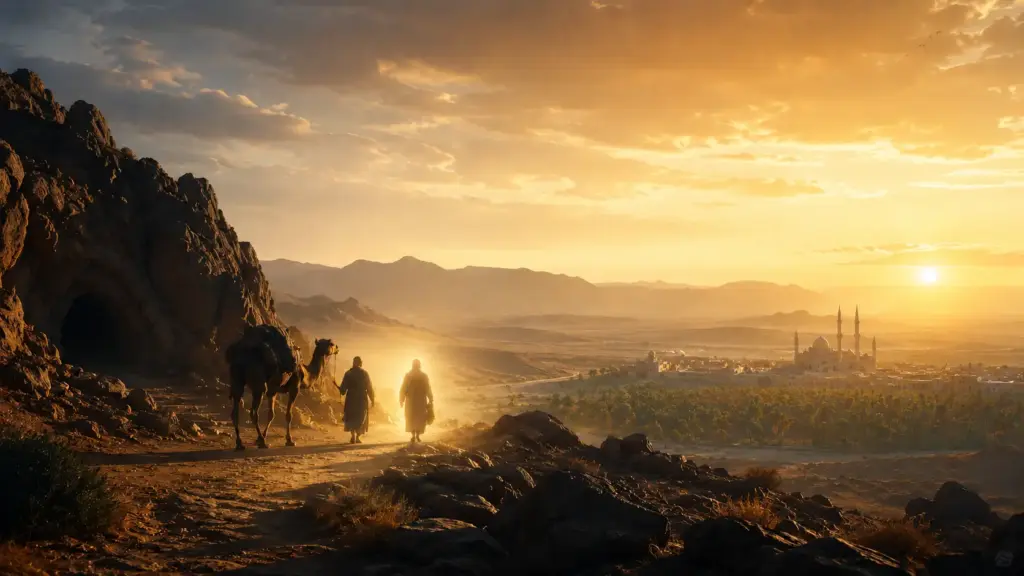
Why was the Hijrah important? This question continues to inspire Muslims more than fourteen centuries after the migration of Prophet Muhammad ﷺ from Makkah to Madinah. The Hijrah was not simply a journey from one city to another. It was a defining moment in Islamic history that transformed a persecuted community into a strong and thriving society built upon faith, justice, and unity.
Just as believers reflect on what happened on the Day of Ashura to learn lessons of faith, gratitude, and divine support, Muslims also reflect on the Hijrah to understand how trust in Allah, sacrifice, and perseverance can transform an entire community. The lessons of the Hijrah remain relevant today, offering guidance for anyone seeking strength during hardship and hope during uncertain times.
Why Was the Hijrah Important in Islamic History?
To understand why the Hijrah was important, it is necessary to consider the circumstances faced by the early Muslims in Makkah.
For years, the Prophet ﷺ and his companions endured persecution, social isolation, and hardship because of their faith. Despite these challenges, they remained steadfast in their commitment to Islam.
The Hijrah marked a turning point. It allowed Muslims to practice their religion freely, establish a supportive community, and lay the foundations for a society governed by Islamic values.
Allah says:
﴿إِلَّا تَنصُرُوهُ فَقَدْ نَصَرَهُ اللَّهُ﴾
(Surah At-Tawbah: 40)
This verse highlights one of the greatest lessons from the Hijrah: Allah’s support comes to those who remain patient and steadfast.
What Happened During the Hijrah?
Many people searching for what happened during the Hijrah are surprised by the remarkable planning involved in the journey.
Although the Prophet ﷺ placed complete trust in Allah, he also took every practical measure available:
- He planned the migration carefully.
- He selected Abu Bakr رضي الله عنه as his companion.
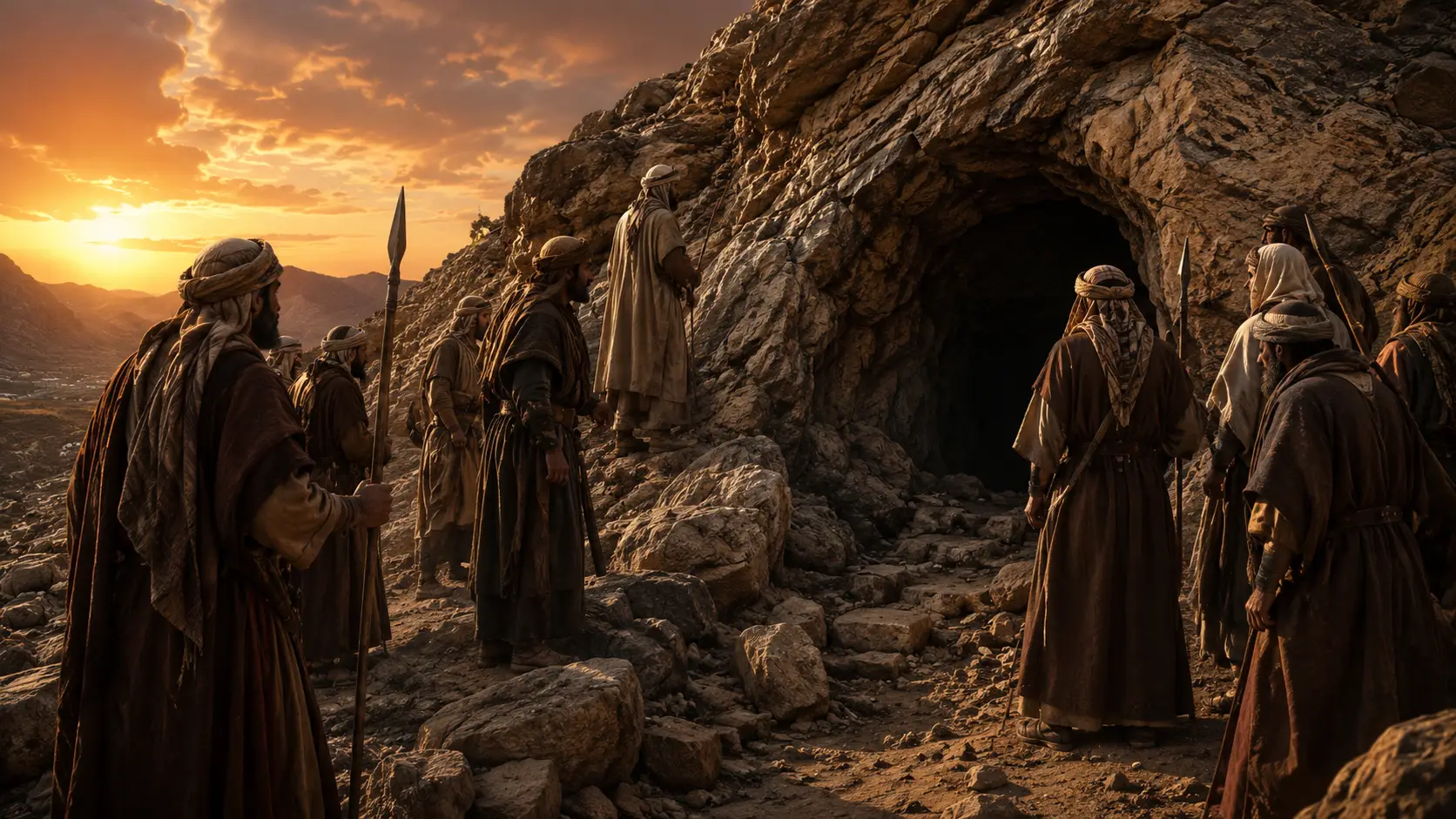
- He stayed in the Cave of Thawr to avoid pursuit.
- He arranged for information and supplies.
- He chose an experienced guide for the route.
These actions demonstrate that reliance upon Allah does not eliminate the need for preparation and effort.
The story of the Hijrah teaches Muslims to combine faith with wisdom, planning, and responsible action.
The Story of Hijrah in Quran
The story of Hijrah in the Quran highlights the balance between human effort and divine support.
Allah describes the famous moment in the Cave of Thawr:
﴿لَا تَحْزَنْ إِنَّ اللَّهَ مَعَنَا﴾
(Surah At-Tawbah: 40)
When Abu Bakr feared that the pursuers might discover them, the Prophet ﷺ reassured him with these powerful words.
This brief statement contains one of the greatest lessons from the Hijrah. True confidence comes from knowing that Allah is always aware of our struggles and is fully capable of providing help when it is needed most.
Why Was the Hijrah Important for Building the Muslim Community?
Another reason why the Hijrah was important is that it provided the foundation for the first Islamic society.
The migration from Makkah to Madinah was not merely about safety. It created an opportunity to establish a community based on justice, worship, and mutual responsibility.
Upon arriving in Madinah, the Prophet ﷺ organized relationships among different groups, established clear rights and responsibilities, and laid the foundations of a stable society.
These achievements demonstrate that the Hijrah was not only a spiritual event but also a model for community building and leadership.
Hijrah to Madinah and the Power of Brotherhood
One of the most remarkable outcomes of the Hijrah to Madinah was the establishment of brotherhood between the Muhajirun (Migrants) and the Ansar (Helpers).
The Prophet ﷺ paired members of both groups together, creating bonds of support and mutual care.
Allah praised the Ansar by saying:
﴿وَيُؤْثِرُونَ عَلَىٰ أَنفُسِهِمْ وَلَوْ كَانَ بِهِمْ خَصَاصَةٌ﴾
(Surah Al-Hashr: 9)
The Ansar welcomed their brothers from Makkah, shared their homes, and offered their resources without hesitation.
This spirit of brotherhood became one of the greatest lessons from the Hijrah and remains an example for Muslims today.
Lessons from the Hijrah: Faith and Trust in Allah
Among the most powerful lessons from the Hijrah is the importance of complete trust in Allah.
The Prophet ﷺ faced extraordinary challenges during the migration. Yet his certainty in Allah never wavered.
Even when enemies surrounded the cave and danger appeared imminent, he remained calm and confident in Allah’s protection.
The Hijrah teaches believers that difficult circumstances should never weaken their faith. Instead, hardship should strengthen reliance upon Allah and increase confidence in His wisdom.
Lessons from the Hijrah: Sacrifice for Faith
The concept of sacrifice for faith lies at the heart of the Hijrah.
The early Muslims left behind:
- Their homes.
- Their wealth.
- Their businesses.
- Their social status.
- Their familiar surroundings.
They accepted these sacrifices because their commitment to Allah was greater than their attachment to worldly comforts.
The migration from Makkah to Madinah demonstrates that meaningful change often requires sacrifice, patience, and perseverance.
Why Was the Hijrah Important for Empowerment?
Many historians focus on political or social outcomes when discussing the Hijrah. However, one of the greatest reasons why the Hijrah was important is that it transformed weakness into strength.
Before the migration, Muslims faced severe persecution.
After the Hijrah:
- The Muslim community grew stronger.
- Islamic teachings spread more widely.
- Justice was established.
- The foundations of Islamic civilization were laid.
The Hijrah shows that empowerment comes through faith, patience, and obedience to Allah rather than through material strength alone.
The Role of the Mosque After the Hijrah
One of the first actions taken by the Prophet ﷺ after arriving in Madinah was building the mosque.
The mosque became:
- A place of worship.
- A center of education.
- A gathering place for the community.
- A source of spiritual development.
This highlights another important lesson from the Hijrah: strong communities are built around faith, knowledge, and collective responsibility.
How the Lessons from the Hijrah Apply Today
Although the historical Hijrah occurred centuries ago, its lessons remain highly relevant.
Modern Muslims can apply the lessons from the Hijrah by:
- Leaving sinful habits behind.
- Strengthening trust in Allah.
- Supporting their communities.
- Building stronger relationships.
- Practicing patience during hardship.
- Making sacrifices for faith when necessary.
The true spirit of the Hijrah continues whenever a believer chooses obedience over temptation and faith over fear.
Conclusion
Why was the Hijrah important? The answer extends far beyond a historical migration. The Hijrah represents faith, sacrifice, brotherhood, leadership, and empowerment. It demonstrates how trust in Allah, combined with careful planning and perseverance, can transform individuals and entire communities.
The migration from Makkah to Madinah remains one of the greatest examples of courage and devotion in Islamic history. By studying the lessons from the Hijrah, Muslims can find inspiration to face modern challenges with confidence, patience, and unwavering faith in Allah.
💬 Reflection Question:
If the Hijrah teaches us to leave behind anything that distances us from Allah, what is one habit, fear, or attachment you would be willing to leave behind today?