
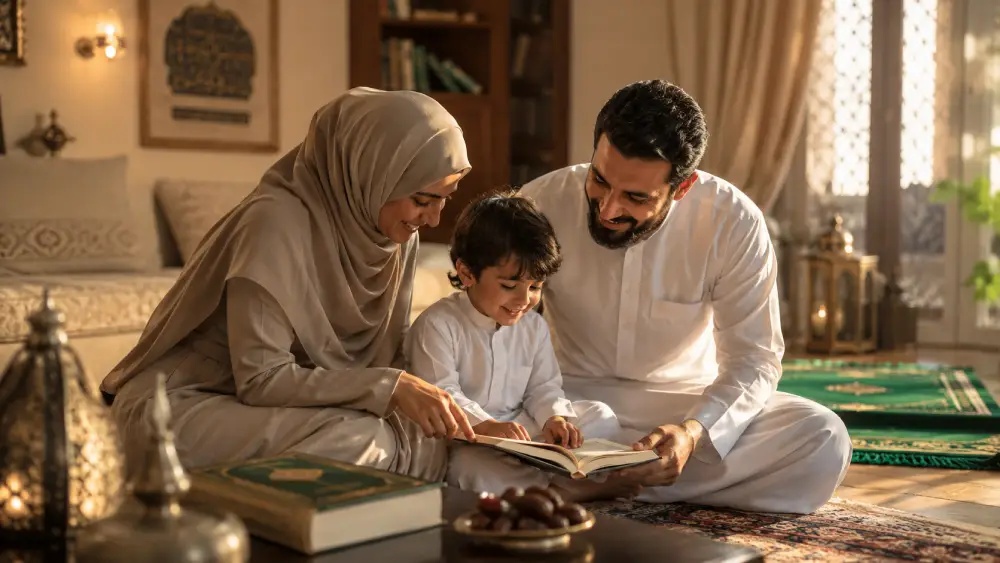
Raising Children in Islam: The True Joy of Every Parent
Raising children is one of the greatest responsibilities entrusted to parents. While many people measure success through wealth, education, or social status, Islam teaches that true success lies in raising children in Islam and helping them grow into faithful, responsible, and righteous individuals.
Parents naturally hope their children will achieve happiness and success, but the greatest blessing is to see them develop strong faith, good character, and a sincere relationship with Allah. The journey of raising children in Islam requires patience, wisdom, and continuous effort. It is a lifelong investment that benefits both parents and children in this world and the Hereafter.
Why Raising Children in Islam Matters
One of the primary goals of raising children in Islam is helping them build a strong connection with Allah from an early age. Children who grow up with faith and Islamic values are better equipped to navigate life’s challenges and make righteous decisions.
Islam views children as a trust (amanah) from Allah. Parents are not only responsible for meeting their physical needs but also for nurturing their spiritual and moral development.
Allah says:
﴿يَا أَيُّهَا الَّذِينَ آمَنُوا قُوا أَنفُسَكُمْ وَأَهْلِيكُمْ نَارًا﴾
(Surah At-Tahrim: 6)
This verse highlights the importance of guiding children toward faith, obedience, and righteousness.
Raising Righteous Children Starts with Faith
The foundation of raising righteous children begins with teaching them the basics of faith.
Children should learn:
- Who Allah is.
- The importance of prayer.
- Love for the Prophet Muhammad ﷺ.
- The value of honesty and integrity.
- Respect for parents and elders.
- Trust in Allah during difficult times.
When faith is planted early, it becomes a source of guidance throughout life.
Parents who focus on raising righteous children understand that character development is just as important as academic success.
Islamic Parenting Begins with Example
One of the most effective principles of Islamic parenting is leading by example.
Children learn more from what they observe than from what they are told. When parents demonstrate honesty, kindness, patience, and consistency in worship, children naturally absorb these values.
A parent who regularly prays, speaks respectfully, and treats others with compassion teaches lessons that cannot be replicated through words alone.
Successful Islamic parenting begins with personal commitment to practicing the values parents hope to instill in their children.
Islamic Manners for Children Build Strong Character
Teaching Islamic manners for children is essential for developing balanced and respectful personalities.
Among the most important manners children should learn are:
- Speaking truthfully.
- Respecting parents and teachers.
- Showing kindness to others.
- Practicing gratitude.
- Maintaining cleanliness.
- Being trustworthy.
- Using good language.
These values shape how children interact with family members, friends, and society.
The Prophet ﷺ emphasized good character repeatedly, demonstrating that manners are a central part of Islamic education.
The Power of Dua for Righteous Children
Alongside effort and guidance, parents should never underestimate the importance of dua for righteous children.
Guidance ultimately comes from Allah, and sincere supplication remains one of the most powerful tools available to parents.
Prophet Ibrahim عليه السلام prayed:
﴿رَبِّ اجْعَلْنِي مُقِيمَ الصَّلَاةِ وَمِن ذُرِّيَّتِي﴾
(Surah Ibrahim: 40)
Likewise, believers are praised in the Qur’an for saying:
﴿رَبَّنَا هَبْ لَنَا مِنْ أَزْوَاجِنَا وَذُرِّيَّاتِنَا قُرَّةَ أَعْيُنٍ﴾
(Surah Al-Furqan: 74)
Making regular dua for righteous children helps parents place their hopes and trust in Allah while continuing to fulfill their responsibilities.
Teaching Children Through Islamic History
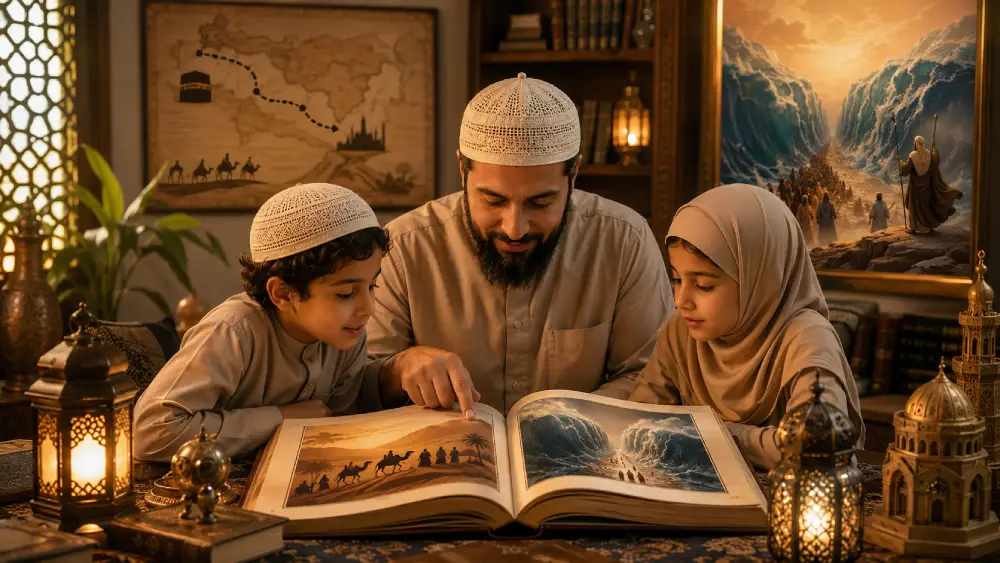
An effective part of raising children in Islam is introducing them to the stories of the prophets and major events in Islamic history.
For example, families can teach children what happened on the Day of Ashura and explain how Allah saved Prophet Musa عليه السلام and his followers from Pharaoh. This story helps children understand gratitude, patience, and trust in Allah.
Likewise, children should learn why the Hijrah was important and how the migration of Prophet Muhammad ﷺ from Makkah to Madinah teaches lessons of sacrifice, perseverance, and reliance upon Allah.
Teaching these stories strengthens faith while creating natural connections between Islamic values and real-life experiences.
Muslim Parenting Tips for Modern Challenges
Parents today face challenges that previous generations never encountered. Technology, social media, and constant digital exposure influence children’s beliefs and behaviors from an early age.
Some valuable Muslim parenting tips include:
- Maintaining open communication.
- Monitoring digital content wisely.
- Encouraging regular prayer.
- Reading the Qur’an together.
- Creating a positive home environment.
- Limiting harmful influences.
- Spending quality time as a family.
These practical steps help children remain connected to their faith despite modern distractions.
Raising Children in Islam Requires Patience
The journey of raising children in Islam is not always easy.
Children make mistakes, face challenges, and experience different stages of growth. Parents should remember that guidance is a gradual process that requires patience and consistency.
The prophets themselves demonstrated extraordinary patience when teaching and guiding others.
Rather than expecting immediate results, parents should focus on steady progress and long-term development.
Every act of teaching, advising, and encouraging contributes to building strong faith and character over time.
The Lasting Rewards of Raising Righteous Children
One of the greatest benefits of raising righteous children is that its rewards continue long after parents leave this world.
The Prophet ﷺ taught that a person’s deeds continue after death through several means, including a righteous child who prays for them.
This makes parenting one of the most valuable investments a believer can make.
A child who grows up with faith, worships Allah, and benefits others becomes a source of ongoing reward for their parents.
Conclusion
Raising children in Islam is about much more than teaching rules or preventing mistakes. It is about nurturing faith, developing character, and helping children build a lifelong relationship with Allah.
Through Islamic parenting, sincere dua, positive role modeling, and consistent guidance, parents can raise children who become a source of happiness in this world and reward in the Hereafter. The effort required may be significant, but the blessings of raising righteous children are truly immeasurable.
💬 Reflection Question:
What is one Islamic value or habit you would most like to strengthen in your children, and how can you begin teaching it today?