
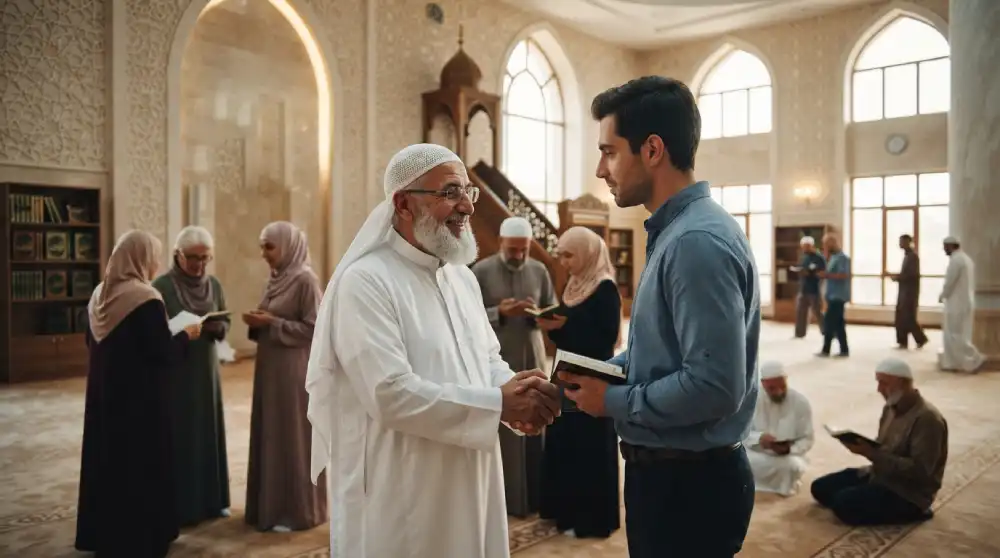
The Importance of Honesty in Islam: Building Trust, Character, and Faith
Honesty is one of the highest virtues in Islam. It is not merely about telling the truth—it is a way of life that reflects sincerity, integrity, and strong faith. From our words and actions to our dealings with others, honesty shapes every aspect of a Muslim’s character. The importance of honesty in Islam is emphasized throughout the Quran and the Sunnah, reminding believers that truthfulness is beloved to Allah and essential for success in this life and the Hereafter.
In a world where deception, broken promises, and misinformation have become increasingly common, Muslims are encouraged to remain truthful in every situation. Honest speech builds trust, strengthens relationships, and earns the respect of both Allah and people.
In this article, we will explore the importance of honesty in Islam, examine the benefits of honesty in Islam, and discover how honesty in the Quran and Hadith provides timeless guidance for developing sincere and trustworthy character.
Why Is Honesty So Important in Islam?
Honesty is one of the foundations upon which Islamic character is built. A truthful believer earns the trust of others, fulfills responsibilities with integrity, and reflects the noble manners taught by the Prophet Muhammad ﷺ.
Allah says:
﴿يَا أَيُّهَا الَّذِينَ آمَنُوا اتَّقُوا اللَّهَ وَكُونُوا مَعَ الصَّادِقِينَ﴾
(Surah At-Tawbah 9:119)
This verse commands believers not only to speak the truth but also to surround themselves with truthful people. Living among honest individuals strengthens faith and encourages righteousness.
The importance of honesty in Islam extends beyond personal morality. Honest communities enjoy greater trust, stronger families, and healthier relationships because people feel safe relying on one another.
Honesty Was One of the Prophet’s Greatest Qualities
Long before receiving revelation, Prophet Muhammad ﷺ was known throughout Makkah as Al-Sadiq Al-Amin—the Truthful and the Trustworthy.
Even those who rejected his message acknowledged his honesty. His reputation was built through years of truthful speech, fairness in trade, and faithful fulfillment of trusts.
This teaches Muslims that honesty is not something practiced only during acts of worship. It should define every interaction—whether at home, at work, in business, or online.
Following the Prophet’s example means striving to become someone whose words and actions inspire confidence and trust.
The Benefits of Honesty in Islam
The benefits of honesty in Islam reach every part of a believer’s life. Truthfulness strengthens both the individual and the community.
Among its greatest benefits are:
It earns Allah’s pleasure.
It builds trust between family members and friends.
It creates honesty in business and financial dealings.
It develops strong personal character.
It brings inner peace because there is nothing to hide.
It protects society from injustice and corruption.
The Prophet ﷺ said:
“Truthfulness leads to righteousness, and righteousness leads to Paradise. A man continues to tell the truth until he becomes a truthful person. Falsehood leads to wickedness, and wickedness leads to the Fire.”
(Sahih al-Bukhari and Sahih Muslim)
This hadith beautifully illustrates that honesty is not merely an action—it becomes a habit that shapes a believer’s destiny.
Honesty in Quran and Hadith
The subject of honesty in Quran and Hadith appears repeatedly because truthful character is inseparable from sincere faith.
Allah says:
﴿إِنَّ اللَّهَ لَا يَهْدِي مَنْ هُوَ مُسْرِفٌ كَذَّابٌ﴾
(Surah Ghafir 40:28)
The Quran consistently praises those who speak the truth and warns against lying, deception, and hypocrisy.
Likewise, the Prophet ﷺ emphasized that honesty should characterize every Muslim regardless of circumstances. Even when telling the truth is difficult, believers trust that Allah rewards sincerity far more than temporary worldly gain.
The harmony between the Quran and the Sunnah demonstrates that truthfulness is not optional—it is a defining quality of a faithful Muslim.
Teaching Children the Value of Honesty
Honesty is one of the first Islamic values parents should nurture in their children. Children who learn to tell the truth from an early age develop stronger character and healthier relationships throughout life.
Parents can encourage honesty by:
Praising children when they admit mistakes.
Avoiding harsh reactions that make children afraid to tell the truth.
Keeping promises made to their children.
Demonstrating honesty through their own actions.
Sharing stories from the Quran and the life of the Prophet ﷺ that highlight the value of truthfulness.
Children imitate what they observe more than what they hear. For this reason, parents who consistently model honesty provide one of the greatest lessons their children will ever receive. Additionally, enrolling children with a qualified online Quran teacher can further reinforce these values through structured learning.
If you’re looking for more practical advice, our guide How to Raise Children Who Love the Quran explains how Islamic values can be nurtured naturally within the home.
Honesty in Everyday Life
Honesty should influence every aspect of a Muslim’s daily life—not only major decisions.
Examples include:
Speaking truthfully, even when it is difficult.
Being honest in business transactions.
Completing work with integrity.
Returning borrowed items promptly.
Avoiding cheating in school or examinations.
Being truthful online and on social media.
Fulfilling promises and commitments.
Every act of honesty, no matter how small, strengthens a believer’s relationship with Allah and contributes to a trustworthy society.
Knowledge also helps Muslims recognize the importance of truthful conduct. As believers deepen their understanding of Islam, they become more aware of the ethical responsibilities Allah has entrusted to them. Whether learning independently or studying with an online Quran teacher, gaining knowledge is essential. Our article The Importance of Seeking Knowledge in Islam explores how beneficial knowledge shapes righteous character.
Honesty Leads to Success in This Life and the Hereafter
Some people fear that honesty may cause them to lose opportunities or face temporary difficulties. Islam teaches the opposite. While truthfulness may sometimes require courage, its long-term rewards far outweigh any short-term challenges.
Honest people earn respect, build lasting relationships, and enjoy peace of mind because their lives are based on integrity rather than deception.
More importantly, honesty earns Allah’s pleasure. On the Day of Judgment, truthful believers will be rewarded for the sincerity they maintained throughout their lives, even when it was difficult.
A Muslim’s greatest success is not measured by wealth or status but by standing before Allah with a truthful heart and righteous deeds.
Conclusion
The importance of honesty in Islam goes far beyond simply avoiding lies. Honesty is a reflection of sincere faith, noble character, and complete trust in Allah. It strengthens families, builds trustworthy communities, and guides Muslims toward righteousness in every aspect of life.
The many benefits of honesty in Islam remind us that truthfulness brings peace, respect, and lasting success, while the teachings on honesty in Quran and Hadith provide clear guidance for living with integrity. By following the example of Prophet Muhammad ﷺ and making honesty a daily habit, believers can earn the pleasure of Allah and become a source of trust and goodness wherever they go.
May Allah make us among the truthful, strengthen our hearts upon sincerity, and grant us the honor of being counted among As-Sadiqeen in this life and the Hereafter. Ameen.
Reflection Question
When was the last time telling the truth was difficult for you, and how did that experience strengthen your trust in Allah?