
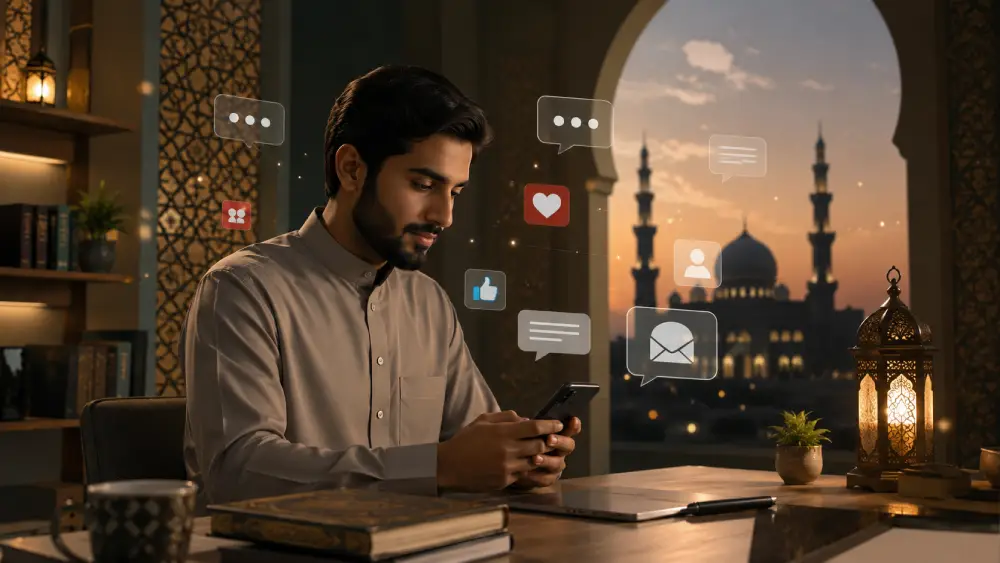
How to Use Social Media Responsibly: An Islamic Perspective on Digital Life
Social media has become one of the most influential tools of the modern age. It connects people across continents, provides instant access to information, and creates opportunities for learning, communication, and personal growth. Yet alongside these benefits come significant challenges that require wisdom and responsibility.
For Muslims, understanding how to use social media responsibly is more important than ever. Every post, comment, share, and interaction leaves a digital footprint that can either benefit others or cause harm. The challenge is not whether social media itself is good or bad, but whether individuals choose to use it in ways that align with Islamic values and ethical principles.
Why Learning How to Use Social Media Responsibly Matters
Understanding how to use social media responsibly is essential because digital platforms have become a major part of everyday life.
Social media influences:
- Personal relationships.
- Family dynamics.
- Education and learning.
- Religious understanding.
- Business and professional opportunities.
- Public opinion and community engagement.
A single post can reach thousands of people within minutes. Because of this influence, responsible behavior online has become just as important as responsible behavior offline.
The choices people make on social media can affect their reputation, relationships, and even their accountability before Allah.
An Islamic Perspective on Social Media
An Islamic perspective on social media begins with recognizing that technology itself is neutral. Like many tools, its value depends on how it is used.
Islam encourages anything that promotes beneficial knowledge, strengthens relationships, and serves the common good. At the same time, it warns against spreading harm, falsehood, and injustice.
Every Muslim should approach social media with the awareness that Allah sees every action, whether public or private.
This perspective encourages users to think carefully before posting, commenting, or sharing content online.
The Benefits and Dangers of Social Media
Understanding the benefits and dangers of social media helps users make wiser decisions.
Benefits of Social Media
Social media can be used to:
- Learn beneficial knowledge.
- Stay connected with family and friends.
- Support charitable causes.
- Share Islamic reminders.
- Promote positive values.
- Build professional networks.
Many people have learned about Islam, improved their religious understanding, and connected with beneficial communities through online platforms.
Dangers of Social Media
At the same time, social media can expose users to:
- Misinformation.
- Gossip and slander.
- Privacy violations.
- Harmful content.
- Unhealthy comparisons.
- Excessive screen time.
Recognizing both the benefits and dangers of social media helps Muslims maintain a balanced approach.
How to Use Social Media Responsibly According to Islamic Values
One of the most practical ways to understand how to use social media responsibly is to evaluate online behavior through Islamic ethics.
Before posting any content, ask:
- Is it true?
- Is it beneficial?
- Is it respectful?
- Could it harm someone unfairly?
- Would I be comfortable being accountable for it before Allah?
These questions help create habits of reflection and responsibility.
The Prophet ﷺ taught Muslims to speak good or remain silent. This principle applies just as much to social media as it does to face-to-face conversations.
Using Social Media for Good
One of the best examples of using social media for good is sharing content that benefits others.
Beneficial uses include:
- Teaching Islamic knowledge.
- Encouraging good character.
- Promoting community initiatives.
- Supporting charitable campaigns.
- Sharing educational resources.
- Inspiring positive change.
Rather than becoming a source of distraction, social media can become a means of reward when used with sincere intentions.
Many people have discovered valuable Islamic resources through online content, making digital platforms powerful tools for da’wah and education.
Social Media in Islam and Personal Accountability
The concept of social media in Islam is closely connected to accountability.
Every word, image, and interaction matters.
Allah says:
﴿مَّا يَلْفِظُ مِن قَوْلٍ إِلَّا لَدَيْهِ رَقِيبٌ عَتِيدٌ﴾
(Surah Qaf: 18)
This reminder encourages Muslims to approach social media with caution and sincerity.
When users remember that Allah is aware of everything they post and consume online, they become more mindful of their digital behavior.
Raising Children in Islam in the Age of Social Media
Parents face unique challenges when teaching children how to navigate digital platforms.
The principles of raising children in Islam remain essential in the modern age. Children need guidance not only in traditional matters but also in responsible online behavior.
Parents should:
- Monitor online activity appropriately.
- Teach digital etiquette.
- Encourage healthy screen habits.
- Discuss online safety.
- Model responsible technology use.
By incorporating the values of raising children in Islam, families can help young people develop strong character both online and offline.
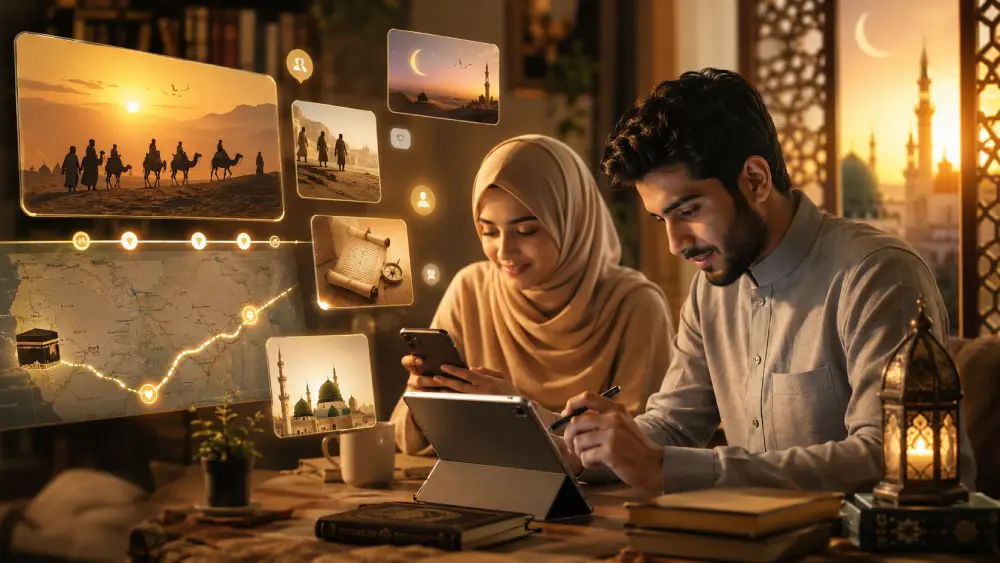
Teaching Islamic History Through Social Media
Social media can also become a valuable educational resource.
Many young Muslims use digital platforms to learn about Islamic history and important events.
For example, users often search for topics such as why was the Hijrah important to better understand the lessons of sacrifice, perseverance, and trust in Allah demonstrated by the migration from Makkah to Madinah.
Educational content that explains Islamic history can strengthen faith and help young Muslims develop a deeper connection with their religious identity.
Avoiding Common Social Media Mistakes
Many online problems arise from simple mistakes that could be avoided through greater awareness.
Common mistakes include:
- Sharing information without verification.
- Engaging in online arguments.
- Spending excessive time scrolling.
- Following harmful content.
- Comparing one’s life to others.
- Neglecting real-world responsibilities.
Understanding how to use social media responsibly means recognizing these risks and actively working to avoid them.
Practical Tips for Responsible Use of Social Media
The responsible use of social media requires intentional habits.
Consider these practical strategies:
- Set daily screen-time limits.
- Follow beneficial accounts.
- Verify information before sharing.
- Take regular breaks from social media.
- Avoid content that harms faith or character.
- Use privacy settings wisely.
- Focus on quality interactions rather than quantity.
These habits help create a healthier and more productive online experience.
Conclusion
Learning how to use social media responsibly is one of the most important digital skills of our time. Social media offers incredible opportunities for learning, communication, and positive influence, but it also presents serious challenges that require wisdom and self-discipline.
From an Islamic perspective, social media should be used as a tool for benefit rather than harm. By understanding the benefits and dangers of social media, practicing accountability, and using social media for good, Muslims can transform their online presence into a source of reward and positive impact.
💬 Reflection Question:
If someone reviewed your social media activity today, what would it reveal about your values, priorities, and relationship with Allah?